El cielo ha sido desde la Antigüedad uno de los grandes símbolos universales, un arquetipo fundamental presente en todas las culturas porque conecta dos dimensiones esenciales de la experiencia humana. Por un lado, representa la realidad física del universo, con sus sistemas planetarios, cuerpos celestes, energías cósmicas y movimientos astronómicos; por otro, se vincula a un profundo universo simbólico de metáforas, visiones espirituales, contemplación sagrada y emociones trascendentes.
Este volumen se concibe como una antología esencial sobre el imaginario del cielo, reuniendo textos y representaciones que reflejan cómo la humanidad ha interpretado la bóveda celeste, el cosmos y el orden del universo a lo largo de la historia. Entre los innumerables autores posibles, se ha escogido la figura de Pliny the Elder, fallecido en Stabiae en el año 79 d. C. durante la erupción del Mount Vesuvius, y autor de la monumental Naturalis Historia, considerada la gran enciclopedia del mundo grecolatino.
El libro presenta los capítulos del Libro II dedicados a la cosmología, donde Plinio describe el cielo como un globo universal “en cuyo seno transcurren todas las cosas”. En sus páginas analiza con detalle los círculos celestes, la disposición de las estrellas, los eclipses y diversos fenómenos atmosféricos, explicando, por ejemplo, que el arco iris es resultado de la mezcla de nubes, fuego y aire. Sin embargo, su mirada no es fría ni puramente científica: cada observación se transforma en reflexión poética, fruto de la característica fusión entre mito, filosofía y ciencia propia de los tratados del mundo antiguo.
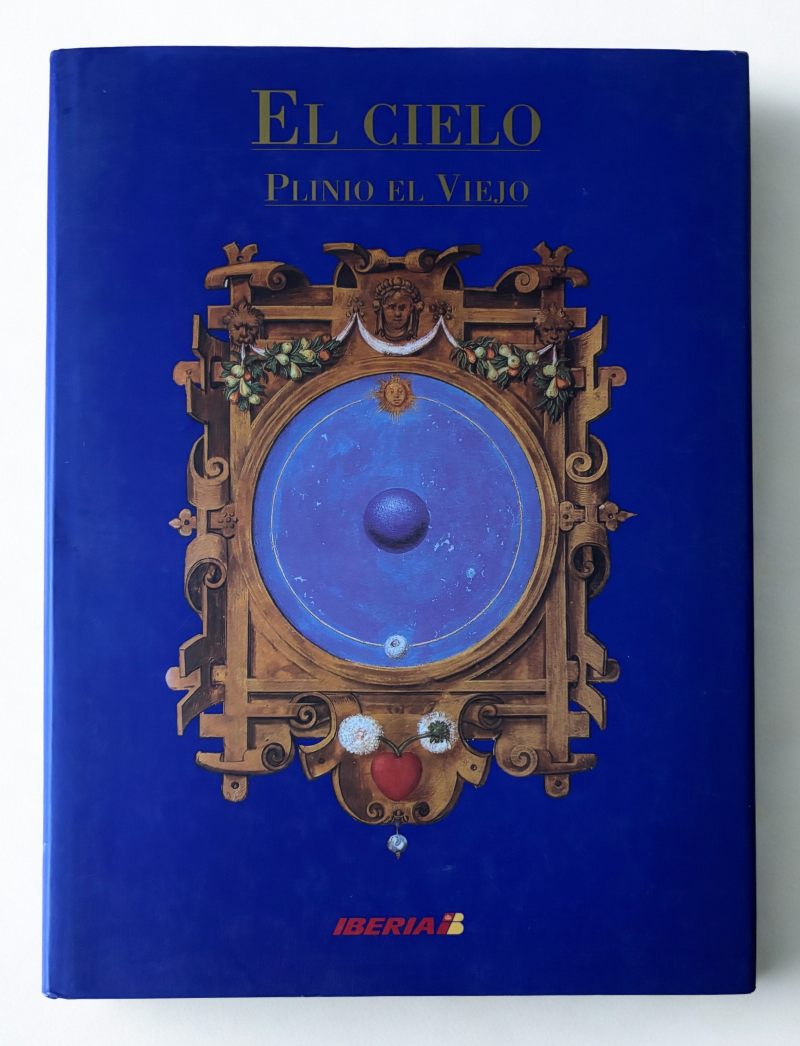
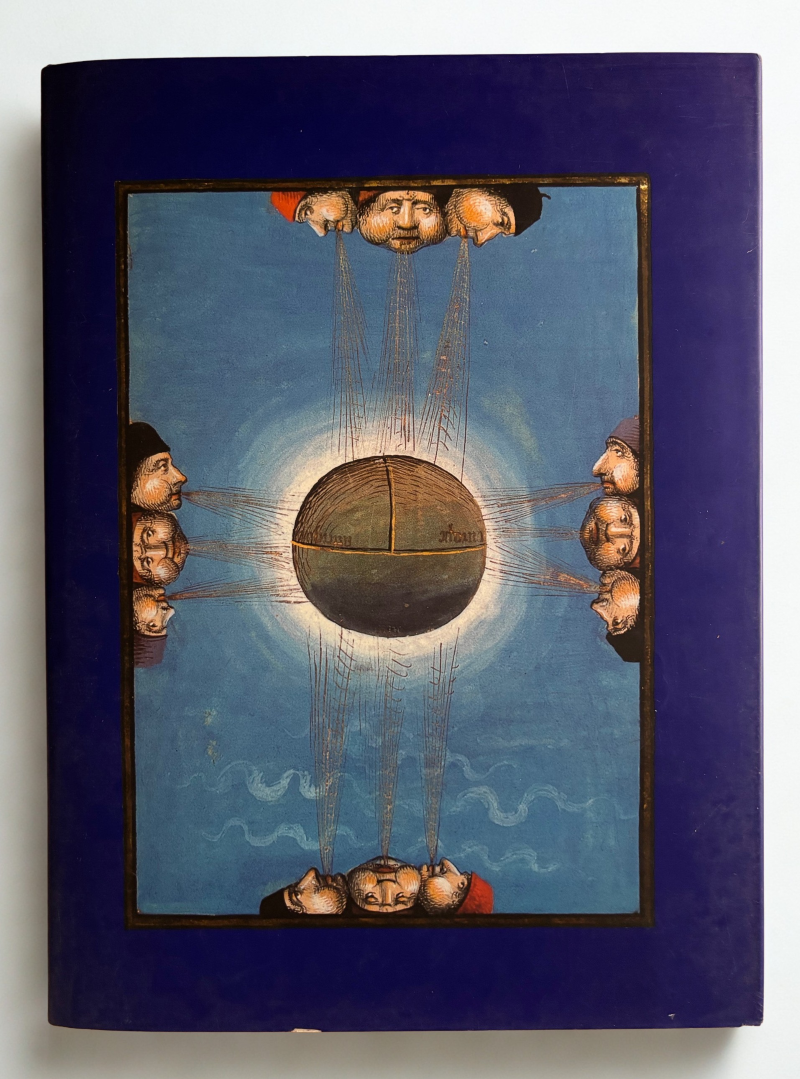
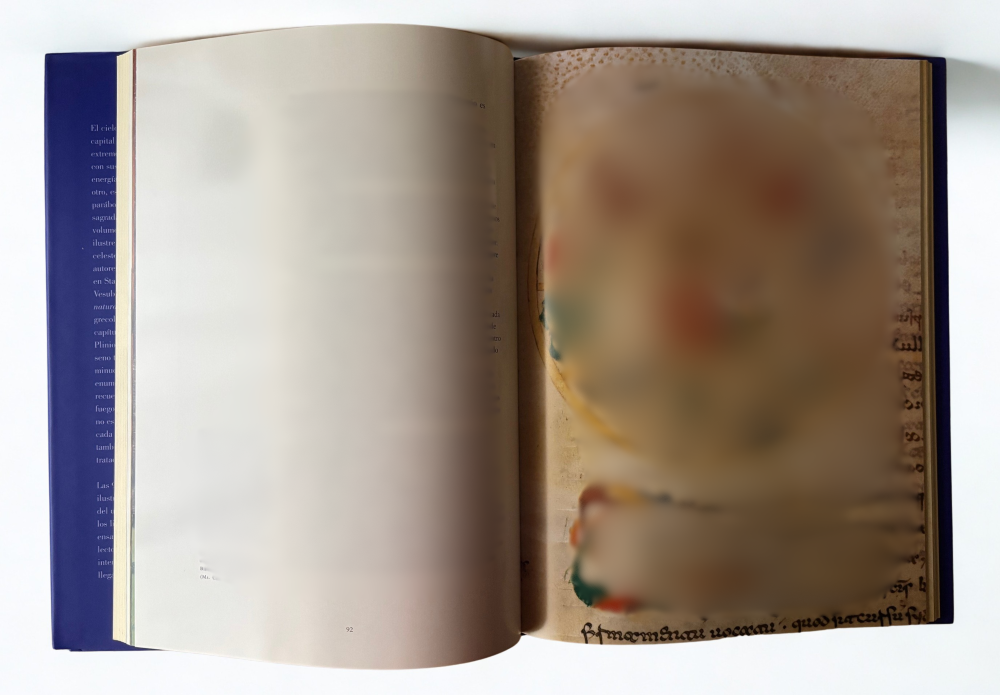
El volumen se enriquece con 90 magníficas láminas en color, que ilustran la visión del cielo en la tradición geocéntrica del universo, desde códices cristianos medievales hasta manuscritos astronómicos del mundo islámico. Además, cuatro ensayos introductorios guían al lector a través del complejo universo de interpretaciones medievales sobre el cosmos, la astronomía y el simbolismo del cielo, convirtiendo esta obra en una referencia imprescindible para los interesados en historia de la astronomía, cosmología antigua, pensamiento medieval y cultura científica.
The sky has long been regarded as one of humanity’s most powerful universal symbols, a fundamental archetype present in every culture because it connects two essential dimensions of human understanding. On one side lies the physical reality of the universe, with its planetary systems, celestial bodies, cosmic energies, and astronomical movements; on the other, the sky belongs to a rich world of metaphors, spiritual contemplation, sacred visions, and transcendent emotions.
This volume is conceived as an essential anthology exploring the human imagination of the celestial vault, bringing together texts and imagery that reflect how different civilizations have interpreted the cosmos, the heavens, and the order of the universe throughout history. Among the many possible authors, the work focuses on Pliny the Elder, who died in Stabiae in 79 AD during the eruption of Mount Vesuvius and who authored the monumental Naturalis Historia, widely considered the most famous encyclopedia of the Greco-Roman world.
The book presents the chapters from Book II devoted to cosmology, in which Pliny describes the sky as a great sphere “within which all things take place.” In these pages he carefully examines celestial circles, the arrangement of the stars, eclipses, and atmospheric phenomena, explaining, for example, that the rainbow results from the interaction of clouds, fire, and air. Yet his approach is far from purely scientific: each observation acquires a poetic dimension, reflecting the characteristic blend of myth, philosophy, and early science that defined many intellectual works of the ancient world.
The volume is richly illustrated with 90 beautiful color plates, depicting the eternal sky of the geocentric vision of the universe, from medieval Christian manuscripts to astronomical works from the Islamic world. In addition, four introductory essays guide readers through the complex interpretations of the heavens that emerged during the Middle Ages, making this book an invaluable reference for those interested in the history of astronomy, ancient cosmology, medieval thought, and the cultural symbolism of the sky.

Reviews
There are no reviews yet.